Chapter 2
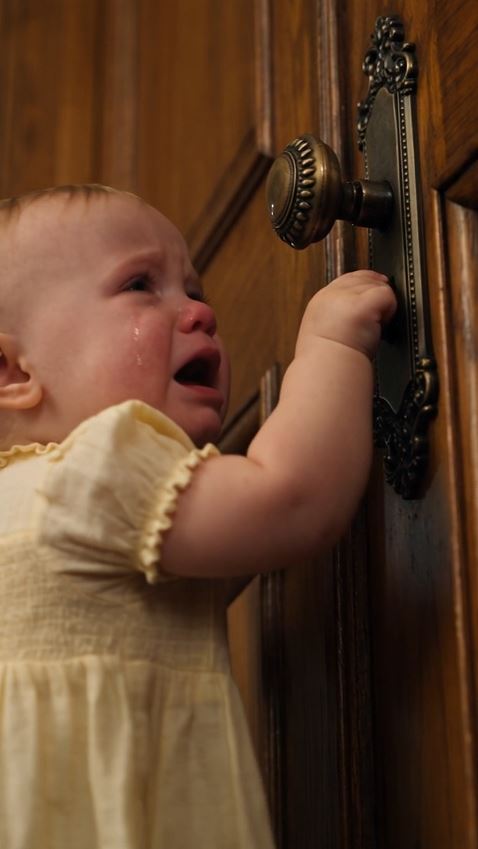
Vanessa remained in the hallway with a grocery bag hanging from one hand, and for several seconds her face gave Sophie nothing she could understand. A carton of milk pressed against a loaf of bread inside the bag, while rainwater from Vanessa’s shoes darkened two small patches of the hardwood near the kitchen entrance. Sophie kept one cheek against the basement door, listening for the voice that had spoken her name, but the house had gone quiet again except for the refrigerator and the soft dripping of water outside. When Vanessa finally moved, she set the groceries on the floor with deliberate care and walked toward her.
“Come away from that door and help me put these things away. Your father is already worried about your mother, and I’m not going to let you work yourself into a panic because you heard something through an old wall.”
Sophie turned without leaving the door. Her eyes were wet now, though she had not started crying, and she kept one hand near the unfinished strip of trim beside the frame as though losing contact with the wood might make the sound disappear. “It said my name. Pipes can’t say Sophie, and Mommy knocks like that when she comes into my room.”
Vanessa reached her and placed both hands lightly on Sophie’s shoulders, lowering herself until they were almost eye level. The gentleness of the gesture did not match the firmness in her fingers, and Sophie could smell Vanessa’s rain-damp coat and the mint gum she had been chewing in the car. “You miss her, and you’re scared because she hasn’t called. When people get frightened, familiar sounds can turn into familiar voices, especially in a house with vents running between floors. I need you to trust the adults for a little while instead of standing here frightening yourself.”
Sophie glanced at the brass bolt above her head before looking back at Vanessa. “Why is that there?”
Vanessa followed her eyes upward and answered after a pause too brief for Sophie to interpret. “Your dad has been working on the frame, and the door wasn’t staying shut properly. There are tools and exposed wiring downstairs, so he didn’t want you wandering in while he was away.”
Sophie knew Owen had complained about the crooked frame because she had watched him pry away part of the old molding the previous Sunday, sending pale curls of wood across the floor while she handed him screws from a plastic cup. She did not remember the bright brass bolt among the things he had bought at the hardware store, although memory at five was made of pictures rather than inventories, and she could not prove the difference even to herself. Vanessa stood and steered her toward the kitchen, then turned on the radio beside the coffee maker before unpacking the groceries with unusual speed.
Below them, Natalie Reed had been awake long enough for thirst to become more immediate than fear. The room where she had regained consciousness sometime during the night had once been used for cold storage, and the walls still held the mineral smell of damp concrete beneath newer shelves and plastic bins. A tender swelling had formed behind her right ear, while every attempt to stand too quickly sent a slow wave of nausea through her vision. She had spent the morning working the old interior latch with a loose metal bracket taken from a shelving unit until the screws gave enough for her to force the narrow storage door open.
The larger basement offered no real freedom. The windows near the ceiling were painted shut and too small for her shoulders, the exterior bulkhead had been secured from outside, and the stair door at the top remained fastened no matter how hard she pulled. She had shouted until her throat became raw, then stopped when the effort left her dizzy and began listening instead, learning the rhythms above her through plumbing, footsteps, and the muted vibration of appliances. Late that morning she had heard a child’s feet in the kitchen, followed by three tentative knocks through the ductwork.
Natalie had answered with the pattern she had used with Sophie for years. Three knocks had begun as a bedtime game after Sophie went through a phase of hiding behind doors and refusing to let anyone enter until they knew the “secret knock,” and the habit survived long after the game itself disappeared. Natalie struck the metal duct with the edge of the shelving bracket, waited, and heard two small taps return through the ceiling. For the first time since waking on the concrete floor, she knew exactly who was above her.
The sound of the washing machine had covered everything that followed, including Natalie’s attempts to call Sophie’s name. When the house later emptied, she sat at the bottom of the basement stairs and conserved what little strength she had, pressing the side of her face against the cool wall whenever the dizziness returned. She had no idea where Vanessa had taken Sophie or whether Owen had come home, but she understood one thing clearly enough to keep working: Vanessa had taken her phone, her keys, and her way out of the house, while Sophie remained the only person who had heard something Vanessa could not completely control.
Upstairs, the afternoon moved with a strained imitation of routine. Vanessa made tomato soup, cut strawberries into a bowl, and suggested a movie in the living room, keeping Sophie within sight whenever she crossed the first floor. She answered Owen’s call shortly after three and told him Sophie was unsettled but safe, while Sophie sat on the rug with her rabbit against her chest and watched Vanessa rather than the television. Owen said he was less than an hour away and that an officer had taken the initial missing-person information, adding that Natalie’s silence had gone on long enough for him to want every possibility checked.
“I’m glad you called them,” Vanessa said, one hand resting against the back of the sofa. “Sophie has been anxious all day, and I think hearing you take this seriously will help her settle down. I’ve tried to keep everything normal here, but she’s listening to every sound in the house and convincing herself it means something about Natalie.”
Owen’s voice remained calm, though fatigue had roughened it after the drive. “I don’t need her to settle down for my sake. If she thinks she heard something, let her tell me herself when I get there. I’d rather hear ten things that turn out to be nothing than teach her to stay quiet because an adult already has an explanation.”
Vanessa looked toward Sophie, and the movement was enough to make the child lower her eyes to the rabbit. “Of course. I’m only trying to keep her from getting more frightened before we know what’s happening.”
When the call ended, Vanessa carried her phone into the kitchen and began washing a pot that was already clean. Sophie remained on the rug until the sound of running water covered the living room, then slipped into the rear hallway with the quiet concentration children use when they believe an adult will stop them if noticed. She reached the basement door, pressed her ear against the wood, and waited long enough for her breathing to slow.