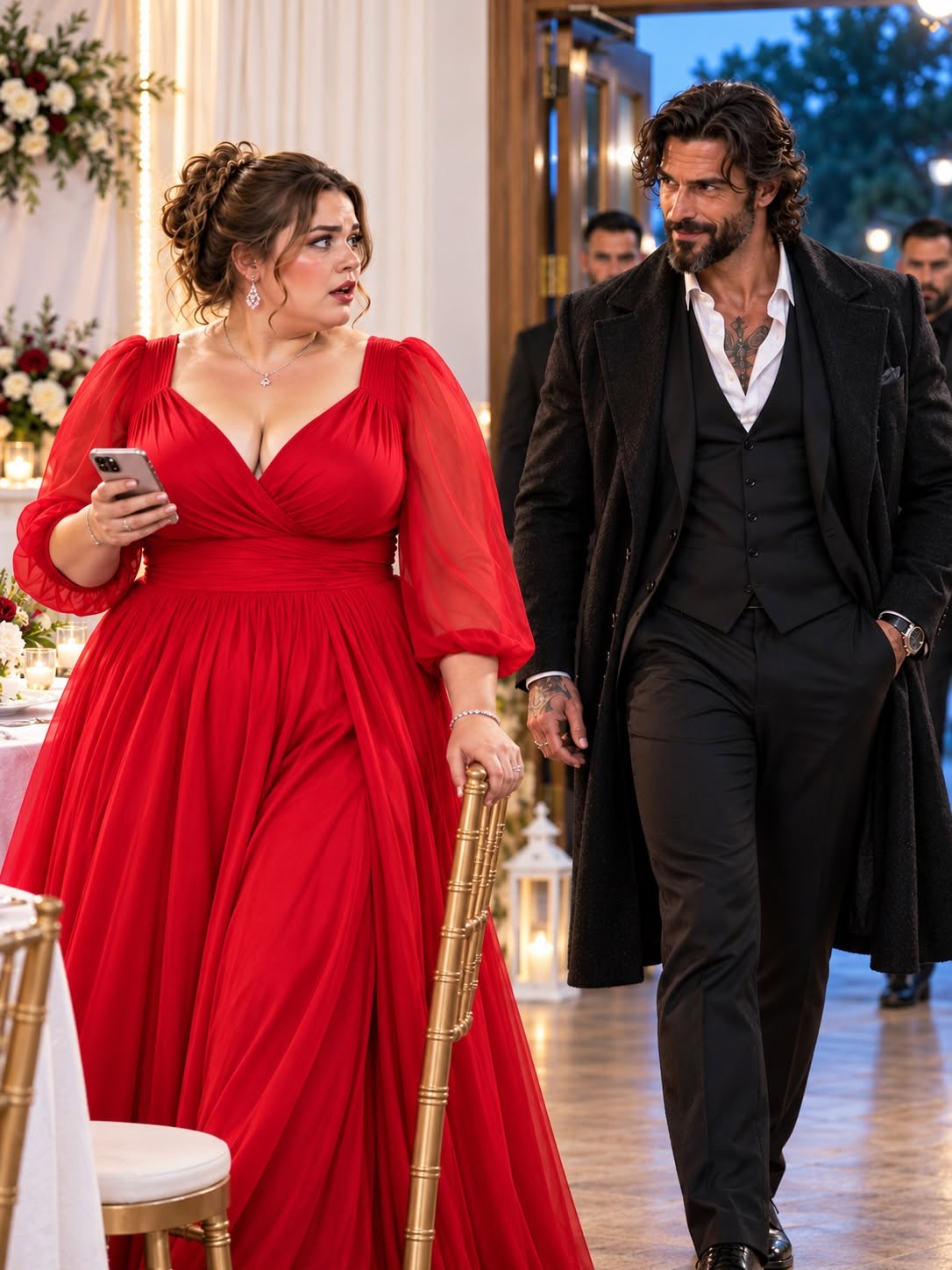
By four o’clock on my thirty-seventh birthday, almost everyone I had invited had canceled. My phone sat beside a sad, plastic-wrapped grocery-store birthday cake on the cold formica table of St. Bridget’s parish hall. Message after message had trickled in throughout the afternoon—childcare emergencies, sudden work shifts, faint apologies wrapped in polite excuses.
By four-ten, overwhelmed by a hollow sense of isolation, I unlocked my phone and selected a contact I hadn’t used in fifteen years. The number belonged to Paula, my closest friend from high school. I knew the line was dead. I knew she had changed her number long ago after moving away, but sitting alone beside a discounted cake felt far worse than shouting into an empty void. I typed out a quick, self-deprecating invitation: Hey Paula, it’s Clara. Having my 37th birthday at St. Bridget’s hall tonight at seven. Come by if you want cake—even if it’s just me.
I hit send, expecting the usual automated carrier error to bounce back immediately. Instead, the message sat there, marked as sent. Ten minutes later, my phone vibrated against the table.
Wear red. I’m coming.
I stared at those four words until the screen timed out and went dark. A cold shiver traced down my spine, mixed with a sudden, illogical spark of hope. I picked up my purse, drove home, and retrieved the one item I hadn’t worn in years: my mother’s vintage crimson silk dress. It fit closely, the vibrant silk striking a stark contrast against the dreary rain outside.
At seven o'clock, the parish hall was dimly lit and largely vacant. Only two elderly parishioners, Mrs. Gable and Mr. Henderson, sat near the radiator sipping lukewarm tea. Then, precisely at seven-fifteen, a long black sedan pulled up outside the fogged stained-glass windows.
A man stepped out alone. He was tall, dressed in a tailored dark charcoal overcoat, with silver hair accentuating his temples and sharp, granite-like features. He walked toward the hall doors with the quiet, effortless authority of someone accustomed to power.
Assuming my sister had sent some absurd, late-minute singing telegram to mock my solitude, I stood up and offered a timid smile. "You must be the surprise. Should I get you a chair, or do you perform standing?"
The man stopped in his tracks, looking down at me. Then he laughed—a low, rusty sound, as if the gear of his laughter hadn't turned in years.
"My name is Stefano," he said smoothly. "You invited me."
He pulled a high-end smartphone from his coat pocket and tilted the screen toward me. There was my pathetic text to Paula's old line. Directly beneath it was his concise reply. My stomach dropped into a bottomless pit.
"I... I am so sorry," I stammered, heat rushing to my cheeks. "This was a complete mistake. It was an old number belonging to a childhood friend. You absolutely don't have to stay."
Stefano’s dark eyes shifted from my face to the lonely cake on the table, and then to the rows of empty metal chairs. "You said there would be cake even if it was only you."
"Yes," I whispered.
Slowly, without breaking eye contact, he unbuttoned his heavy coat and draped it over a chair. "It isn't only you."
He sat down across from me, his presence filling the barren hall. As the hour passed, he spoke little, but listened with intense focus while Mrs. Gable babbled about parish history. Before we cut the cake, I reached out, shut my eyes, and softly began to recite a private, four-line Italian prayer my late mother had taught me as a child—a prayer she claimed had been passed down in secret through our family.
Halfway through the first sentence, a quiet, deep voice joined mine in perfect unison.
“Guardami il cuore, proteggi il mio cammino…”
My eyes snapped open. Stefano was staring at me, his gaze locked onto mine, finishing the exact words of my mother’s hidden blessing.
"How do you know that?" I breathed, my heart hammering against my ribs. "My mother made that up. No one knows that prayer."
Stefano reached into his inner jacket pocket, pulled out an old, yellowed photograph, and placed it on the table between our paper plates. In the picture, a young woman stood in front of a stone villa in Sicily. In her hands was a small leather-bound journal—the exact same journal my mother had kept locked in her nightstand until the day she died.
"Your mother didn't make it up, Clara," Stefano said softly. "She was hiding. And twenty-five years ago, my family was hired to make sure no one ever found her."