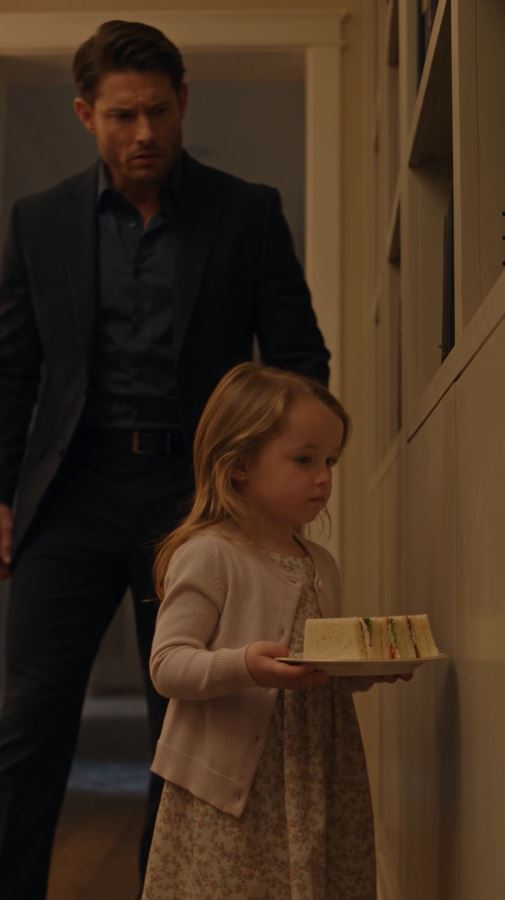
Sophie was eight when Mara finished probation.
The notification came to us.
Not to Sophie.
That distinction mattered.
Mara had completed the custodial sentence years earlier.
Then probation.
Therapy requirements.
Financial restitution.
No new offenses.
No attempts to approach Sophie.
No letters smuggled through relatives.
No social media posts about being misunderstood.
Nothing.
Our attorney Grace called.
“The criminal no-contact condition tied to probation is ending.”
Emily went still.
I asked:
“What replaces it?”
Grace sighed.
“Nothing automatic.”
I hated that answer.
Then she continued.
“Your family-court orders still matter. Mara has no guardianship rights. She cannot simply arrive and demand access. But the criminal probation condition was never intended to govern Sophie forever.”
Emily looked toward the backyard.
Sophie and Lily were arguing about a jump rope.
“What does Mara want?”
“Her attorney says she is not filing anything.”
That surprised me.
“No visitation petition?”
“No.”
“No letters?”
“She asked whether she may place one letter with her attorney for Sophie to receive only if Sophie later requests information.”
Emily and I looked at each other.
Grace said:
“You can oppose even preservation if you have a legal reason.”
“Do we?”
Silence.
No.
A letter sitting in a lawyer’s file could not hurt Sophie.
Unless adults turned its existence into pressure.
So we agreed to one rule:
Sophie would not be told:
Mara wrote you a letter.
Not yet.
Instead, when Sophie reached an age where questions about Mara naturally emerged, a therapist could tell her that information existed if she wanted it.
No countdown.
No:
When you’re twelve.
No:
When you forgive.
Just:
later.
Then Sophie made the whole careful plan irrelevant by asking at dinner:
“Is Mara still in jail?”
Emily nearly dropped her fork.
Lily, five by then, said:
“Mara bad?”
Sophie glared.
“Stop.”
Lily returned to peas.
I answered.
“No. Mara left jail a while ago. She had rules she still had to follow afterward. Most of those rules are finished now.”
Sophie stopped chewing.
“Can she come here?”
“No.”
Immediate.
Then I corrected.
“She cannot simply come here. She has no right to visit you without the adults responsible for your safety agreeing.”
Sophie frowned.
“But someday?”
There it was.
The future.
Emily answered.
“When you’re older, what you want will matter more and more.”
“Do you want me to see her?”
Sophie asked.
Emily’s face changed.
“No.”
Honest.
Sophie looked at me.
“Daddy Ryan?”
“No.”
Also honest.
“Then if I do, you’ll be mad?”
I wanted to say:
Yes.
Furious.
Terrified.
Instead:
“I will have feelings.”
Sophie rolled her eyes.
“Therapy answer.”
“Yes.”
Lily said:
“What’s therapy?”
“No one asked you,” Sophie said.
“Mean.”
Emily intervened before dinner became warfare.
Later Sophie found me in the hallway.
The west hallway.
She was no longer afraid of it.
Mostly.
The wall was just painted drywall now.
She touched it.
Then asked:
“Did Mara love me?”
I had heard Mara say it in court.
The judge had not disputed it.
That complicated everything.
“I think she did.”
Sophie looked angry.
“Then why wall?”
“Love doesn’t automatically make every decision someone makes safe.”
“That’s stupid.”
“Yes.”
She looked at me.
“Did Caroline love me?”
“Yes.”
“No think?”
“No think.”
I smiled.
“Caroline loved you.”
“Emily?”
“She loves you.”
“Lily?”
“Unfortunately.”
Sophie laughed.
Then:
“Mara?”
I could not give her the same certainty.
“I believe Mara cared about you deeply.”
“That isn’t same.”
“No.”
Then she said:
“I remember her making soup.”
I stopped.
Sophie almost never volunteered ordinary memories of Mara.
“She burned it.”
I smiled despite myself.
“She couldn’t cook?”
“Bad.”
Then:
“She brushed my hair.”
Another memory.
“She bought me red shoes.”
“Then she stopped school.”
“Yes.”
“She hid me.”
“Yes.”
Sophie pressed her palm against the wall.
“Can someone be good and bad?”
Emily would have given a better answer.
I tried.
“Someone can do kind things and cruel things.”
“Is that same?”
“Not exactly.”
Sophie considered.
Then:
“I don’t want to see her.”
“Okay.”
She pointed.
“That’s now.”
My chest tightened.
I understood.
Not:
never.
Current.
“Okay,” I said again.
Three months later, Sophie’s therapist told us privately:
“She asked whether Mara ever tried to say sorry.”
Emily looked toward me.
The sealed letter suddenly existed differently.
Not as Mara’s request.
As a possible answer to Sophie’s question.
We told the therapist about it.
The therapist nodded.
“Don’t give it to her yet.”
Relief.
Then:
“But someday, she should probably know she gets to decide whether to read it.”
The letter remained sealed.
Sophie remained unaware.
And for the first time, I understood that protecting her from Mara could eventually become another kind of control if we tried to turn an eight-year-old’s “not now” into an adult woman’s “never.”
👉 Mara had finally lost every legal claim over Sophie—but the absence of a court order could not answer the harder question of whether Sophie might someday choose information the rest of us wished she would never want.