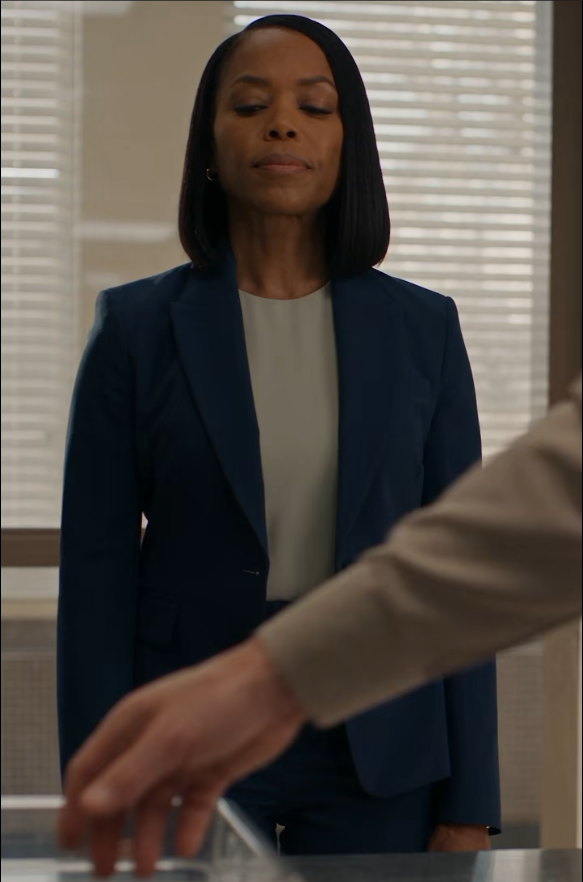
Cleary’s attorney objected.
The judge allowed a limited proffer.
A digital forensics investigator took the stand.
Sarah listened from the gallery now.
The investigator explained that Miller’s flash-drive copy and the altered booking archive had been compared at the binary level.
The twelve-minute gap in the department archive was not original.
It had been introduced later.
“Can you determine when?” the state asked.
“Yes.”
“When?”
“Approximately 9:14 p.m. the evening after the incident.”
“By which user?”
The investigator looked down at his notes.
“Administrator account BCleary.”
Cleary’s attorney stood.
“Shared administrative credentials.”
The investigator nodded.
“That was initially possible.”
“Initially?”
“We recovered endpoint authentication logs.”
The courtroom tightened around the word.
The investigator continued.
“The session originated from Sheriff Cleary’s office terminal.”
“That terminal could have been used by others.”
“Yes.”
“So you cannot identify the individual.”
“We also recovered a biometric login event.”
Cleary looked up.
His attorney stopped.
The investigator said, “The county updated its workstation security six months ago. Administrative sessions require fingerprint verification after-hours.”
Nobody spoke.
State counsel asked, “Whose biometric credential authenticated the session?”
The investigator turned one page.
“Sheriff Boyd Cleary’s.”
Cleary leaned toward his attorney.
Fast.
Whispering.
The attorney listened without looking at him.
The investigator continued.
“At 9:16 p.m., that same authenticated session accessed Deputy Miller’s personnel file.”
Sarah’s eyes narrowed.
“Then?”
“At 9:20, it accessed archived complaints involving Sheriff Cleary.”
“And then?”
“Multiple files were flagged for deletion.”
Cleary’s attorney rose.
“Were they deleted?”
“No.”
“Why not?”
“Because the state preservation order activated at 9:18.”
That detail moved through the room almost physically.
Two minutes.
Had the order arrived two minutes later, years of complaints might have vanished.
Sarah looked at Reed.
He was already looking at her.
Not luck, she thought.
Miller.
His copy.
His decision to speak.
Her decision not to let the military simply remove her and erase the local process.
Every consequence had opened the door to the next piece of evidence.
The state attorney asked one final question.
“What complaints were flagged?”
The investigator looked toward the judge.
“Twenty-seven citizen complaints associated with traffic stops, searches, detention practices, or alleged verbal misconduct.”
Cleary’s shoulders lowered.
For the first time since the highway, Sarah saw something close to fear on his face.
Not fear of her.
Fear of records.
Judge Parker called a recess.
Cleary found Sarah in the courthouse corridor ten minutes later.
His attorney was not with him.
Neither was Reed.
Sarah had stepped away from the crowd to make a call.
When she turned from the window, Cleary stood fifteen feet away.
A court officer noticed and began moving toward them.
Sarah lifted one hand.
The officer stopped but remained close.
Cleary gave a bitter laugh.
“There it is again.”
“What?”
“People stopping when you raise your hand.”
Sarah slid her phone into her jacket.
“What do you want?”
“You happy?”
“No.”
“You destroyed my career.”
Sarah looked at him for a long moment.
“No.”
“Don’t give me that.”
“You asked.”
“You could’ve walked away.”
“I tried to drive through your county.”
“You know what I mean.”
“Yes.”
Sarah stepped closer, leaving several feet between them.
“You believe the moment this became a problem was when I made the phone call.”
“It was.”
“No. It became a problem when you decided a driver who questioned you needed to be punished.”
Cleary’s face tightened.
“You don’t know what it’s like policing this place.”
“You’re right.”
“People lie. People run. People carry guns. People smile in your face and cut you open the second you turn around.”
Sarah said nothing.
“You sit in conference rooms,” he continued. “You’ve got staff. Drivers. Security. You think command makes everybody rational.”
“No.”
“Then stop acting like you know me.”
“I don’t need to know you.”
He laughed once.
“There it is.”
“I need to know what you did.”
He stepped forward.
The court officer moved again.
Sarah shook her head once.
Cleary stopped.
His voice lowered.
“You could tell them Miller manipulated those files.”
Sarah stared at him.
For one second she thought she had misunderstood.
“What?”
“You don’t know he didn’t.”
“Yes, I do.”
“You know what some technician told you.”
Sarah’s expression changed.
Not shock.
Recognition.
There it was.
The final exit.
The final chance he wanted her to provide for him.
“Boyd.”
It was the first time she used his first name.
He seemed startled by it.
“You are asking me to lie.”
“I’m asking you not to pretend you know everything.”
“No.”
“That kid copied evidence and brought it to your hotel.”
“He preserved evidence after you ordered him to destroy it.”
“You don’t know why I gave that order.”
“Then explain it under oath.”
His mouth hardened.
“You really think he’s better than me?”
“This is not about better.”
“It always is with people like you.”
Sarah’s voice stayed level.
“People like me?”
“People who walk into a room already knowing everyone else is beneath them.”
Something almost sad passed through her face.
“You arrested me because I would not behave as though I were beneath you.”
Cleary said nothing.
Sarah continued.
“And even now, after the recordings, after the server logs, after your own biometric signature, you are still trying to make the issue hierarchy.”
His eyes moved toward the court officer.
Then back.
“What do you want from me?”
Sarah thought about that.
It was the first sincere question he had asked her.
Or the closest.
“I wanted you to write the truth in your report.”
Cleary looked away.
“That’s it?”
“It was.”
“And now?”
“Now it isn’t mine to decide.”
He scoffed.
“Convenient.”
“No.”
Sarah took another step closer.
“This is the least convenient outcome for everyone involved. Including me.”
“You’re gonna go back to Washington.”
“Yes.”
“You’ll get a medal for this.”
“No.”
“You’ll give speeches.”
“No.”
“Everybody’ll call you brave.”
Sarah’s voice softened.
“I was handcuffed during a traffic stop. Do not turn that into heroism because you need me to be something larger than the person you chose to arrest.”
He looked at her again.
She continued.
“Miller is the one who took the harder risk.”
That landed.
Cleary’s face changed.
Not much.
Enough.
Sarah understood then.
His anger toward Miller was more personal because Miller had belonged to his world.
Miller had seen how things worked.
And stepped outside it.
Cleary nodded slowly.
“You think he’ll replace me.”
“I don’t care who replaces you.”
His expression sharpened.
Sarah finished the thought.
“I care whether the next person stopped on Interstate 89 gets to drive away when they have done nothing wrong.”
Behind Cleary, his attorney appeared.
“Sheriff.”
Cleary looked back.
The attorney approached.
“We need to go.”
Cleary faced Sarah one final time.
For a moment he seemed ready to say something else.
He did not.
He walked away.
The court officer came closer.
“You all right, ma’am?”
Sarah watched Cleary disappear through the courtroom doors.
“Yes.”
Reed emerged from the opposite corridor.
He had heard enough to understand.
“You let him walk up to you alone?”