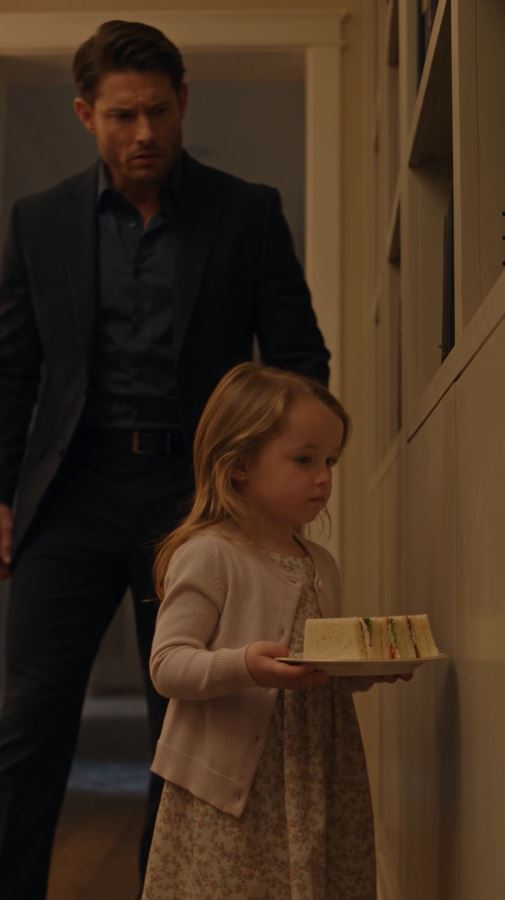
At eighteen, Sophie chose a university four states away.
I objected for excellent reasons.
Distance.
Travel.
Weather.
Tuition.
Emily listened.
Then said:
“You are objecting because she is leaving.”
Betrayal.
Sophie smiled.
The university offered:
Strong biology program.
Excellent writing department.
Average food.
Ancient dormitories.
Sophie loved it.
Her $5.1 million settlement remained mostly inside the court-approved structure, now transitioning to adult-beneficiary rules.
Sophie did not receive a five-million-dollar birthday deposit.
Good.
A professional trustee remained.
She could request funds for:
Education.
Health.
Therapy.
Housing.
Certain life expenses.
Larger principal control staged later.
Sophie hated this.
“I’m legally adult.”
Trustee:
“Congratulations.”
“Give money.”
“No.”
I liked him immediately.
Sophie did not.
Tuition approved.
Dorm costs approved.
Additional therapy coverage approved.
No luxury apartment just because settlement existed.
She actually preferred dorm.
Then move-in day.
Lily came.
Fifteen.
Immediately sat on Sophie’s bed.
“This room is tiny.”
“It’s college.”
“Our guest bathroom bigger.”
Sophie threw a pillow.
Emily organized drawers until Sophie expelled her.
I checked the window locks.
Sophie caught me.
“Dad.”
“Ground floor.”
“Second.”
“Still.”
“Leave window.”
I left window.
Then it was time to go.
Sophie’s face changed.
For years:
home had contained the wall.
Then home became safe.
Now she was voluntarily sleeping somewhere else.
Door closed.
Unknown hallway.
Shared bathroom.
No Ryan.
No Emily.
No Lily.
“You can come home,” I said.
Sophie glared.
“I know.”
“Any time.”
“I know.”
“We can get hotel.”
“Dad.”
Emily grabbed my arm.
Time.
We left.
At 1:43 a.m. Sophie called.
I answered before first ring completed.
“I hate this.”
“I’m coming.”
“No.”
I stopped.
“What do you need?”
“I don’t know.”
Her roommate was asleep.
Hallway noisy.
Someone slammed a door.
Sophie’s body had decided:
closed spaces.
Night.
Strangers.
Wrong.
She cried.
I stayed on phone.
Did not drive.
Did not solve.
Emily took over after twenty minutes because I had started breathing too loudly.
Sophie finally slept.
Next day:
“I’m quitting.”
Emily said:
“Okay.”
I said:
“No.”
Both women looked at me.
Wrong.
I corrected.
“You can quit.”
“Do you want to?”
“I don’t know.”
Good.
She attended orientation.
Two days.
Then classes.
First week terrible.
Second better.
At week three:
Did not call us for four days.
I considered reporting a missing person.
Emily banned me.
Then Sophie texted:
Alive. Stop being weird.
Progress.
The dorm became hers.
She installed string lights.
Kept snacks in an unlocked drawer.
Not hidden.
Then one night her roommate found granola bars under Sophie’s pillow.
Not trauma recurrence.
Sophie had fallen asleep eating.
They laughed.
That distinction mattered.
Then settlement administration became emotionally difficult.
Sophie wanted $38,000 for a study-abroad semester.
Trustee asked:
Educational relevance?
Budget?
Alternative funding?
She became furious.
“It’s my money.”
“Yes.”
“Then why do I have to justify?”
“Because the structure exists to preserve long-term benefit.”
Sophie called me.
“Fire him.”
“You cannot.”
“You have lawyers.”
“That is not how—”
“Whose side?”
There.
I stopped.
“I’m on your side.”
“Then help.”
“Helping may include telling you the trustee is doing his job.”
She hung up.
Two days later:
Applied for university scholarships.
Reduced request.
Trustee approved remainder.
Sophie hated that responsible process worked.
Then she went abroad.
Copenhagen.
No dramatic family meaning.
Just school.
One evening she sent us a photograph from a narrow old building.
Caption:
Walls everywhere. Zero children inside.
Too soon?
Emily laughed.
I did not.
Then eventually I did.
The wall could become a joke because Sophie made it one.
No one else had permission first.
At nineteen, Sophie met Mara again.
Her choice.
Public café.
Therapist no longer at table, but available.
Mara asked:
“How’s school?”
Sophie answered.
No discussion of settlement.
Good.
Then Mara said:
“I saw an article about the clinic case anniversary.”
Sophie’s face hardened.
“Did you talk to them?”
“No.”
“Would you?”
“No.”
“Why?”
“Because your story is not my rehabilitation platform.”
Sophie relaxed.
Good answer.
Then Sophie asked:
“Do you still love me?”
Mara looked down.
“Yes.”
“Even if I don’t want you as family?”
“Yes.”
“That sounds impossible.”
“Maybe love isn’t the useful question.”
Sophie almost laughed.
Apparently everyone learned eventually.
Afterward she called Emily.
Not me.
“Mom?”
That word had become ordinary.
“I think I’m okay with seeing Mara once or twice a year.”
Emily answered:
“Do you want my opinion?”
Sophie paused.
“Yes.”
“I’m scared.”
“Me too.”
“And?”
“And scared doesn’t mean no.”
Exactly.
👉 Sophie left home, learned to manage both fear and money without turning either into a reason to retreat—and began building a relationship with Mara that was small enough to remain hers instead of becoming anyone else’s idea of reconciliation.