The problem started with a college essay.
Lily was seventeen.
Prompt:
Describe a moment that shaped your identity.
She wrote about Sophie.
Of course.
Not:
I found a girl in a wall.
She knew better.
Instead:
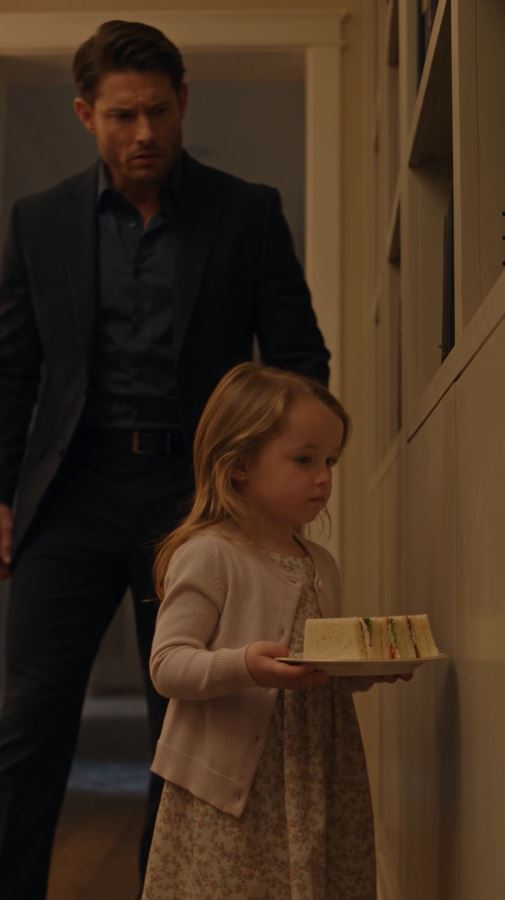
When I was three, I heard someone crying in our house and brought her sandwiches.
Then the essay moved into sisterhood.
Sophie stealing sweaters.
Arguments.
Caroline’s grave.
Growing up with a family origin that everyone outside thought sounded fictional.
Lily showed Sophie.
Sophie read it.
Then became angry.
“You make it sound like I’m your life event.”
Lily’s face changed.
“That’s not what I meant.”
“You literally start with me in the wall.”
“I was three.”
“So?”
“It happened to me too.”
Sophie stopped.
That was true.
Not equally.
Not in same way.
Still true.
Lily had been three.
Heard crying.
Carried food secretly because another child asked her to keep a secret.
Then adults, police, CPS, reporters kept saying:
Lily found Sophie.
Lily saved Sophie.
We had corrected it.
Repeatedly.
Still, it shaped Lily too.
Sophie said:
“You didn’t get hidden.”
“No.”
“You didn’t lose your mom.”
“I know.”
“You weren’t scared of food.”
“I know.”
“Then why make my story your essay?”
Lily began crying.
“Because you’re my sister.”
Sophie looked away.
The argument lasted three days.
Emily wisely refused to adjudicate.
I tried.
Was expelled from both rooms.
Therapy?
Not formal.
Family conversation.
Eventually Lily rewrote the opening:
My sister entered my life in a way strangers find dramatic. The dramatic part matters less to me than what came after.
Better.
Then she wrote:
Adults often call me the child who found Sophie. I was three. I did not understand danger, family law, embryos, or rescue. I knew only that someone was hungry and asked me for food.
Sophie read.
Then:
“Better.”
Lily glared.
“Thank you, editor.”
The essay ended:
I did not save my sister. I met her.
Sophie cried.
Then hugged Lily.
College accepted Lily.
Did the essay matter?
No idea.
Good.
She studied mechanical engineering.
Absolutely no family theme.
Then the sisters faced another identity conflict.
Lily did an ancestry/genetics unit.
Classmates wanted to use consumer DNA tests.
Teacher made participation optional.
Lily thought it would be funny.
Sophie said:
“Don’t.”
Lily stared.
“My DNA.”
Sophie froze.
Correct.
Their genomes were unusually close for sisters because both came from embryos created from the same parents in the same fertility cycle.
Ordinary full siblings genetically.
Nothing mysterious.
Still, Sophie hated DNA databases.
Understandably.
Lily wanted to test.
Neither sister owned the other’s decision.
Emily explained privacy risks.
I explained badly.
Lily ultimately declined.
Not because Sophie said no.
Because she did not like commercial retention terms.
That mattered.
Years later she changed her mind with a medically supervised genetic panel when clinically relevant.
Different context.
Then Sophie’s settlement trust reached another milestone.
At twenty-five, she could petition to terminate some restrictions and receive broader control.
Everyone expected she would.
She did not.
Why?
“I don’t want to manage five million dollars.”
The trustee corrected:
“It is more now.”
Sophie looked horrified.
Investment growth.
Terrible problem.
She kept professional management but changed one thing:
No trauma-related spending category.
The old structure listed:
psychological services arising from wrongful embryo transfer and concealment.
Sophie hated seeing herself described that way.
Counsel revised future administrative language where legally possible:
Health and wellness services.
No need to label every therapy appointment as wall-related.
Then Sophie requested ordinary funds.
Graduate school.
A used car.
Not a luxury one.
The trustee approved.
No one asked:
Does this heal identity disruption?
Good.
Then Lily graduated.
Sophie attended.
Caroline’s photograph did not.
No need.
Mara did not.
No invitation.
Ryan and Emily cried.
Lily complained.
Normal.
Then a reporter recognized Sophie.
Old case.
“Are you the girl—”
Sophie smiled politely.
“No interview.”
The reporter stopped.
No scandal.
Later Lily asked:
“Does it bother you that people know?”
“Sometimes.”
“Would you erase news?”
“If I could erase strangers knowing without erasing court accountability?”
“Maybe.”
Then:
“But hiding everything would also hide what the clinic did.”
Both.
Again.
Lily smiled.
“You’re complicated.”
Sophie stared.
“You’re welcome.”
Then Lily said:
“I’m glad I brought sandwiches.”
Sophie softened.
“Me too.”
“Did I save you?”
“No.”
“Rude.”
“You helped.”
“Better.”
They laughed.
A childhood fact had finally found its correct size.
Three-year-old Lily had not rescued Sophie.
She had heard another child.
Fed her.
Then told adults by accident because she was terrible at stealth.
That was enough.
👉 Lily finally stopped being “the little girl who saved Sophie,” and Sophie stopped needing her sister to minimize her own memory—allowing the same event to belong to both children without pretending it harmed them equally.